Why Buying a 3D Printer Isn’t Always as Simple as It Looks – And Why We Chose the Anycubic Kobra Series Printers at Wonderfully Weird
Over the last few years, 3D printing has exploded in popularity. Social media is filled with incredible time-lapse videos showing printers effortlessly producing dragons, home décor, toys, replacement parts, and artistic creations. It’s easy to watch these videos and think that owning a 3D printer is as simple as pressing “Print.”
The reality is quite different.
While modern 3D printers have become significantly easier to use than they were only a few years ago, they are still precision machines that require ongoing maintenance, calibration, troubleshooting, and patience. For many people, this learning curve is part of the enjoyment. For others, it quickly becomes overwhelming.
So, if you’re considering buying your first printer—or wondering why professionally printed products cost what they do—this article will give you an honest look at both sides of the hobby.
The Beginner’s Dream vs. Reality
When someone purchases their first printer, they often imagine downloading models, loading some filament, and producing perfect prints from day one.
Unfortunately, that’s rarely how it works.
Even beginner-friendly machines require an understanding of:
- Bed leveling and first-layer calibration
- Correct nozzle temperatures
- Build plate adhesion
- Filament drying and storage
- Print orientation
- Support generation
- Print speeds
- Cooling settings
- Nozzle maintenance
- Firmware updates
- Mechanical adjustments
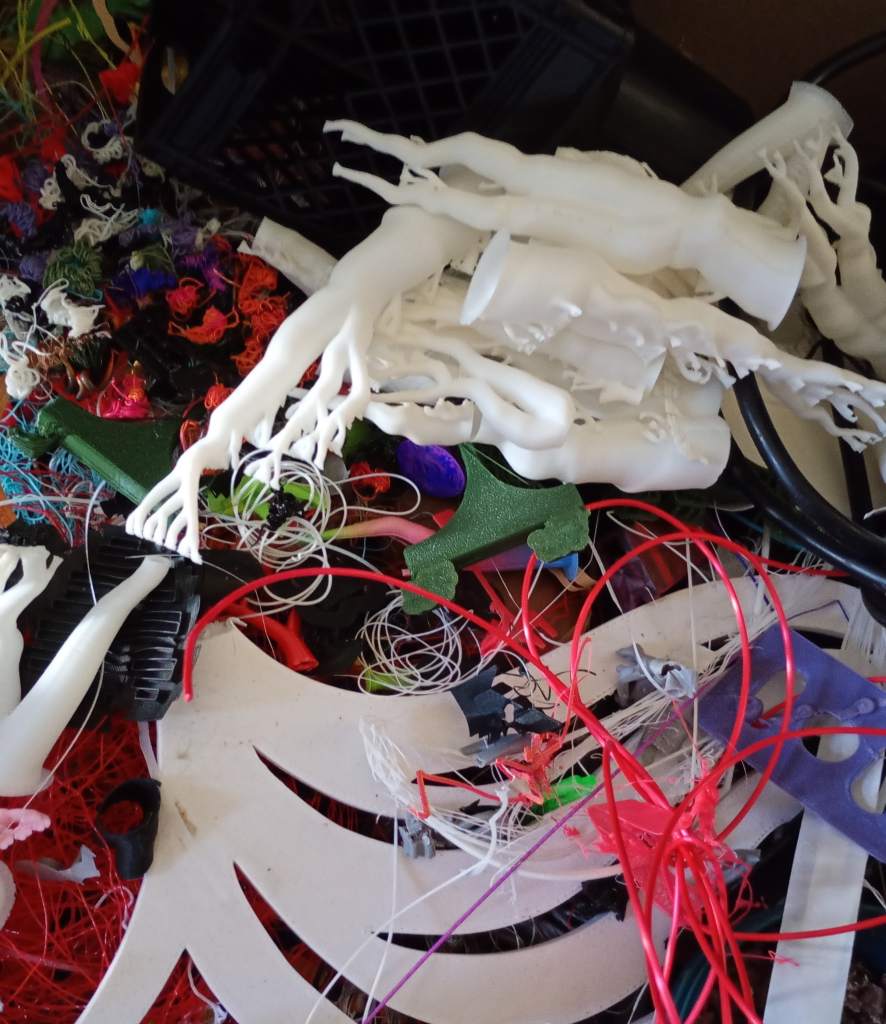
A single incorrect setting can turn a 20-hour print into a tangled pile of melted plastic.
The good news?
Modern printers have made these challenges far easier to overcome.